Retaining Wall Installation in the Barossa Valley: Choosing the Right Materials for Local Conditions
If you own property in the Barossa Valley, you know the landscape is both beautiful and challenging. Rolling vineyards, clay-rich soils, and summer heatwaves put serious pressure on outdoor structures. That’s why a professional retaining wall installation in the Barossa Valley is not just about looks. It’s about engineering a solution that holds back tonnes of soil, manages water runoff, and stands up to South Australia’s unique weather patterns.
Choosing the wrong material can lead to cracking, leaning, or even complete collapse within a few years. In this guide, we’ll walk you through the pros and cons of stone, concrete, timber, and modern composites. By the end, you’ll know exactly what to ask your installer.
Why Barossa Valley Conditions Demand Smart Material Choices
The Barossa Valley experiences hot, dry summers and cool, wet winters. That cycle of expansion and contraction can destroy poorly built walls. Clay soils swell when wet and shrink when dry, creating enormous pressure behind any structure. A quality wall build must account for drainage, footing depth, and material flexibility.
Local homeowners often need walls to create level garden beds, prevent hillside erosion, or protect driveways and patios. Without the right materials, even a small wall can fail within five years.
So, let’s compare the most common options available in South Australia:
Natural Stone: Timeless Beauty With High Performance
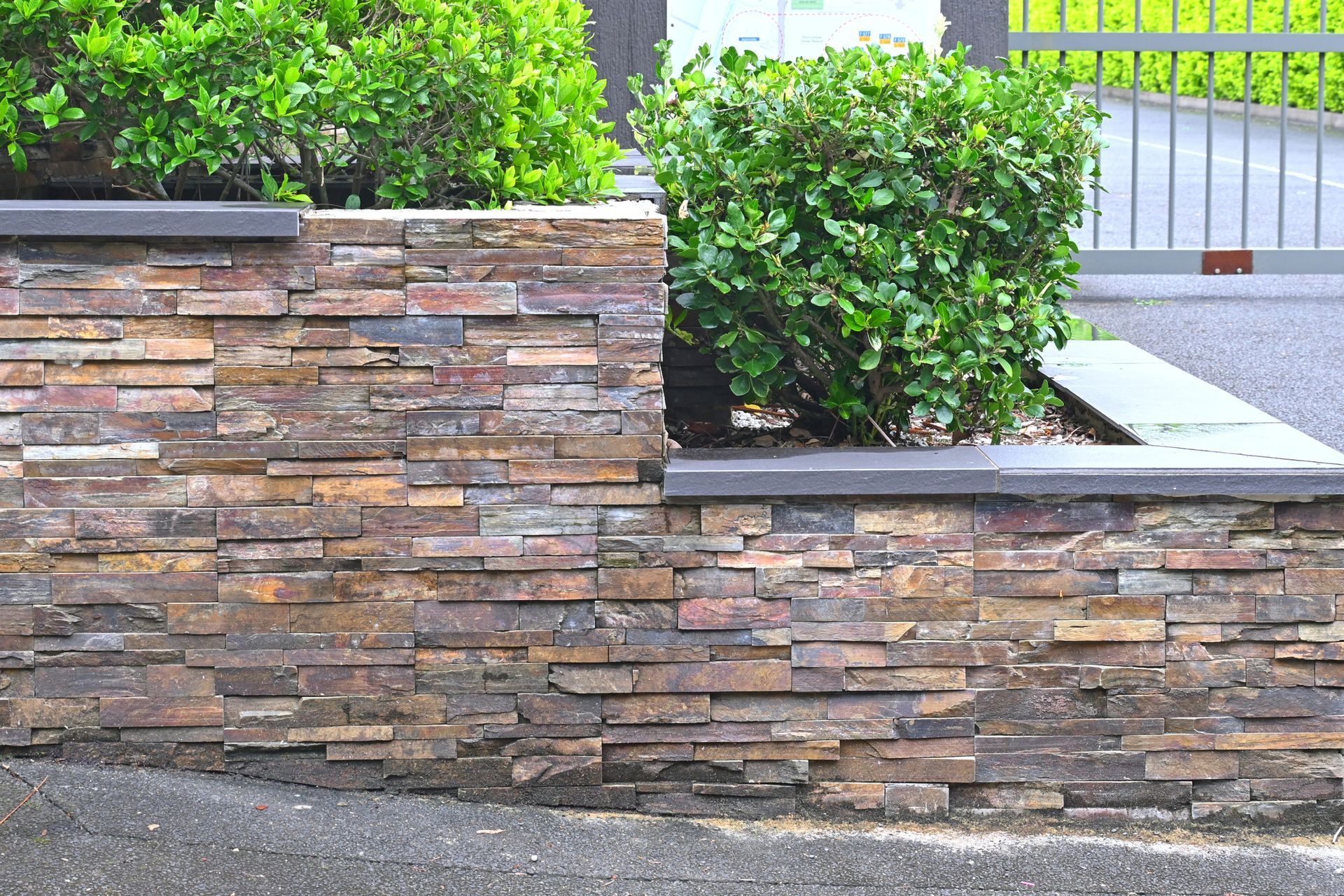
Stone retaining walls are a favourite in the Barossa.
They suit the region’s heritage feel and blend perfectly with vine-covered hills:
Pros:
- Extremely durable – can last over 100 years.
- Handles heat and heavy rain without warping.
- No need for chemical treatments.
- Excellent drainage when dry-stacked.
Cons:
- Higher upfront cost.
- Labour-intensive to install.
- Requires skilled stonemasons.
For a retaining wall installation using natural stone, you’ll need a solid gravel base and proper weep holes. The weight of stone helps resist soil pressure, making it ideal for walls over 1 metre high. Maintenance is nearly zero, though you may need to repoint mortar every few decades if mortar is used. Aesthetic appeal is unmatched. Sandstone, bluestone, or local quartzite all work beautifully. If resale value matters, stone is a smart investment.
Concrete Blocks: Strong, Affordable, and Versatile
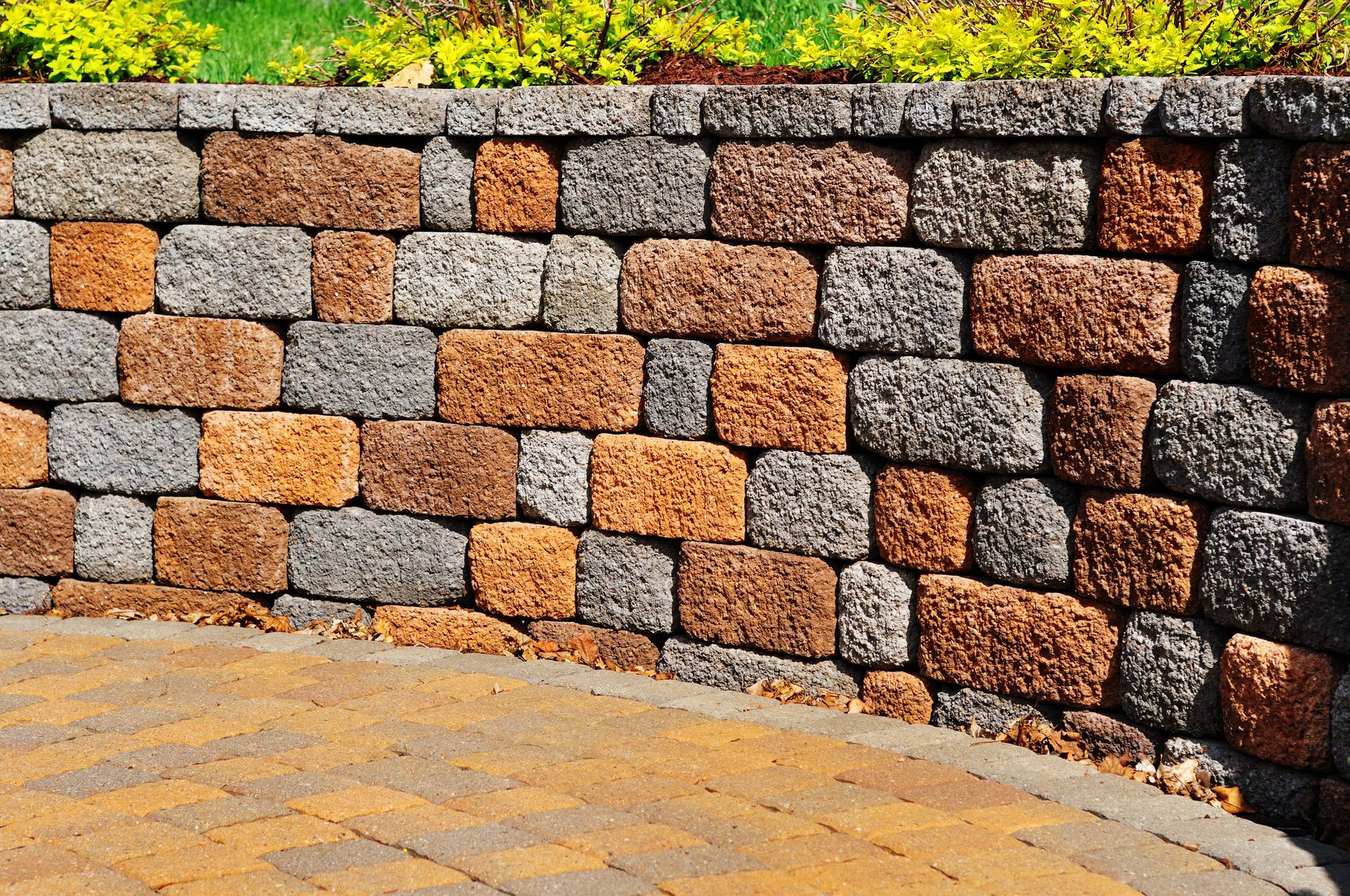
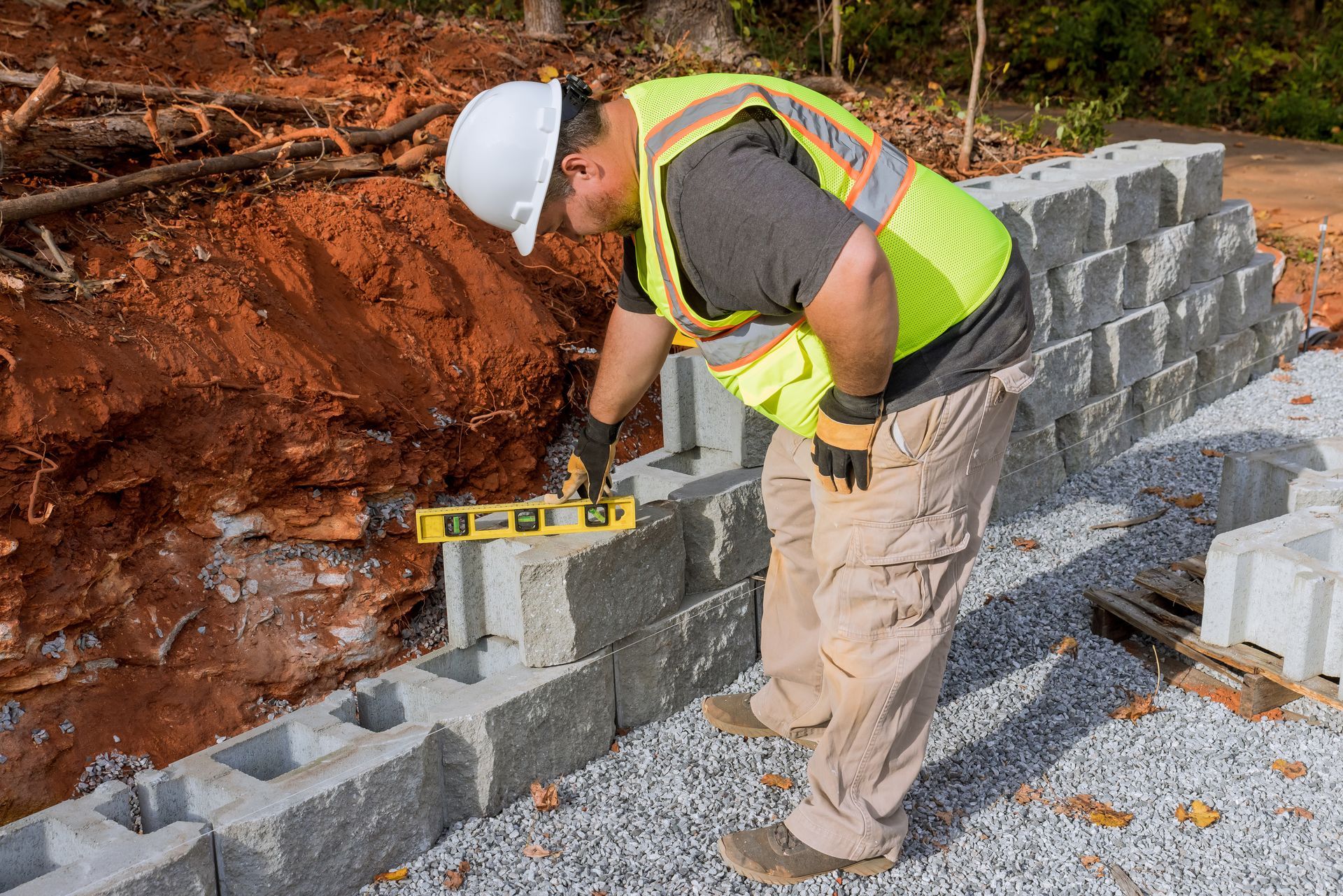
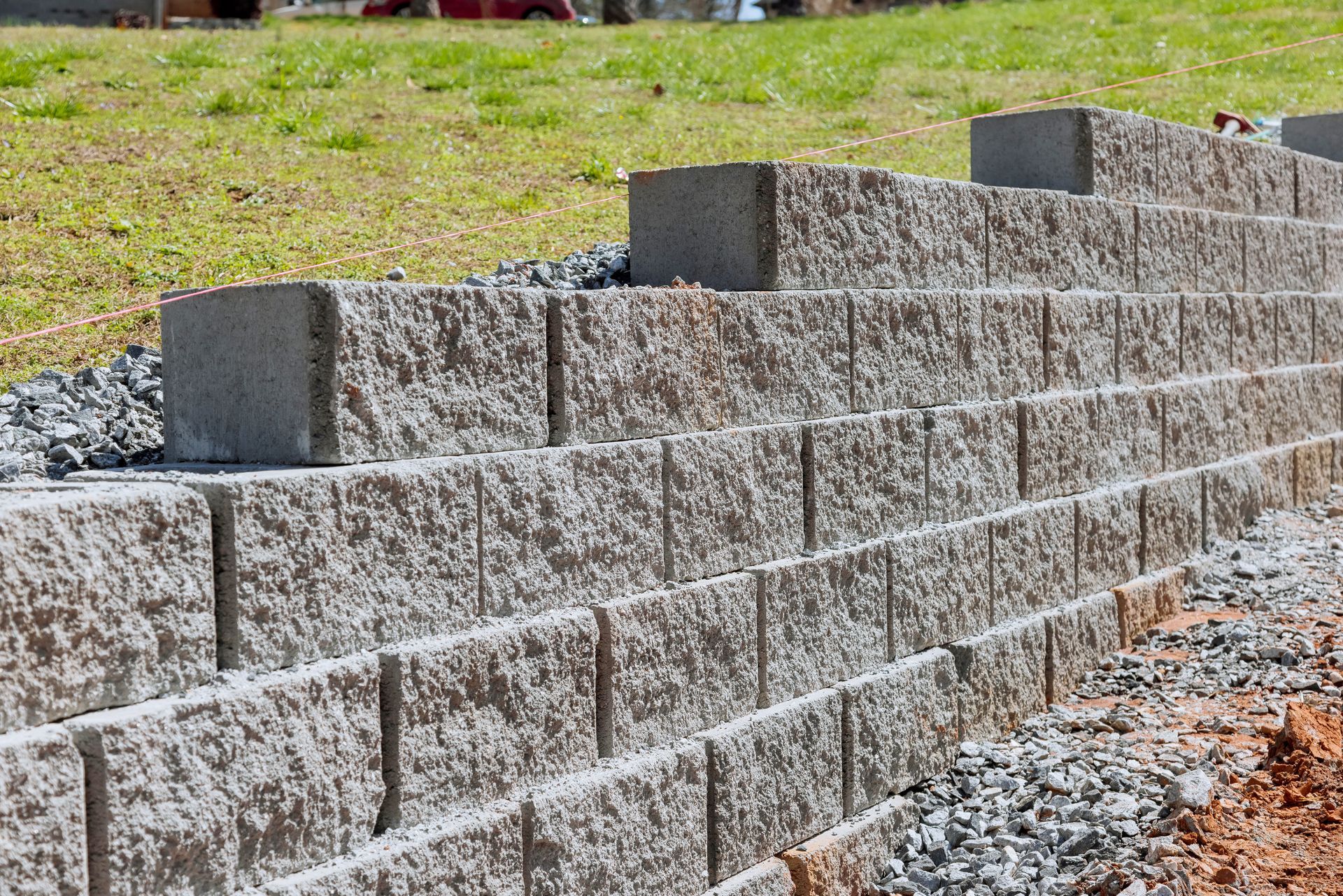
Concrete blocks, especially interlocking or “Lego” style, are now the most common choice for residential wall construction across South Australia.
They come in textured finishes that mimic stone or timber:
Pros:
- Cost-effective compared to natural stone.
- Quick to install with basic equipment.
- Reinforced with steel and grout for tall walls.
- Available in many colours.
Cons:
- Can crack if drainage fails.
- Heavy – may require machinery.
- Colour may fade in harsh sun.
Concrete handles Barossa’s clay soils well if you install a clay key and drainage gravel. For walls under 1.2 metres, hollow blocks are fine. For taller walls, use reinforced poured cores. Maintenance is low. Check weep holes annually and repaint if desired. Modern blocks with UV-stable pigments last 30–50 years. If you want a clean, modern look without breaking the bank, concrete is hard to beat.
Timber: Natural Charm With Shorter Lifespan
Many older Barossa properties feature timber retaining walls.
Treated pine or hardwood sleepers give a warm, rustic appearance:
Pros:
- Lower initial material cost.
- Easy to cut and modify on site.
- Lightweight and fast to build.
- Looks great with gardens.
Cons:
- Prone to rot in wet winters.
- Termites are a real risk in SA.
- Typically lasts only 10–20 years.
- Needs regular sealing.
When constructing a retaining wall using timber, proper H4 or H5 treated logs and a geotextile fabric are required to separate soil from wood. Even then, moisture from Barossa’s winter rains eventually causes decay. Hardwood like ironbark lasts longer but costs more. Timber is best for low walls (under 1 metre) where replacement won’t be a disaster. If you love the look but want longevity, consider timber-look concrete sleepers instead.
Modern Composites: The New Performer
Composite retaining wall systems mix recycled plastic and wood fibres or fibreglass.
They’ve become popular for eco-conscious homeowners:
Pros:
- Rot, termite, and warp resistant.
- Lightweight yet strong.
- No sealing or painting needed.
- Often made from recycled materials.
Cons:
- Higher upfront cost than timber.
- Limited colour options.
- Can sag under heavy loads without proper spacing.
Composites handle Barossa’s temperature swings well because they don’t expand or contract like wood. For a retaining wall installation in a wet area or near tree roots, composites are a smart choice. Maintenance is almost zero. Expect a 30–50 year lifespan. The main downside is aesthetic: some look too artificial. However, newer textured finishes improve every year.
Drainage: The Make-or-Break Factor for Any Material
No matter which material you choose, poor drainage will destroy your retaining wall installation. Barossa’s clay holds water like a sponge. Without an outlet, hydrostatic pressure pushes walls forward until they crack or tip.
Every professional wall needs:
- A gravel backfill (20mm aggregate).
- A perforated drainage pipe at the base.
- Geotextile fabric to stop silt clogging the pipe.
- Weep holes every 1–2 metres.
Never skip drainage. Even a beautiful stone wall will fail within two wet seasons if water can’t escape.
Which Material Is Best for Your Barossa Property?
Let’s summarise for the local homeowner:
- Stone – Best for high-end, permanent walls over 1 metre. Highest durability and beauty.
- Concrete blocks – Best all-rounder for most residential jobs. Great value and strength.
- Timber – Only for low, temporary, or budget-conscious walls under 1 metre.
- Composites – Best for wet areas or if you hate ongoing maintenance.
Your budget, wall height, and soil type should guide the decision. Always ask your installer for local references.
Check our Google Profile to see dozens of Barossa Valley retaining wall projects we’ve completed.
Why Choose Bazza’s Fencing for Erecting a Retaining Structure
We’ve built fences and walls across Gawler, Tanunda, Nuriootpa, and the entire Barossa Valley. We know exactly how local clay, winter rains, and summer heat affect materials. Our team will walk you through each option, show you samples, and provide a transparent quote.
We don’t cut corners on drainage or footings. Every retaining wall installation we do comes with a workmanship guarantee. Whether you need a small garden terrace or a 2-metre structural wall, we have the experience to get it right.
Ready to Secure Your Barossa Valley Property?
Don’t let erosion, shifting soil, or poor drainage ruin your landscaping. A professionally planned wall build adds usable space, protects your home’s foundation, and increases property value. We serve all Barossa Valley suburbs including Angaston, Lyndoch, Greenock, and Williamstown. Our quotes are free, detailed, and no-pressure.
Contact us today to schedule a site inspection. Let’s build a retaining wall that lasts as long as the Barossa’s best vineyards.
Concrete Block Retaining Walls vs Concrete Sleepers: Which Material Is Right for Barossa Properties?